
History of Japan
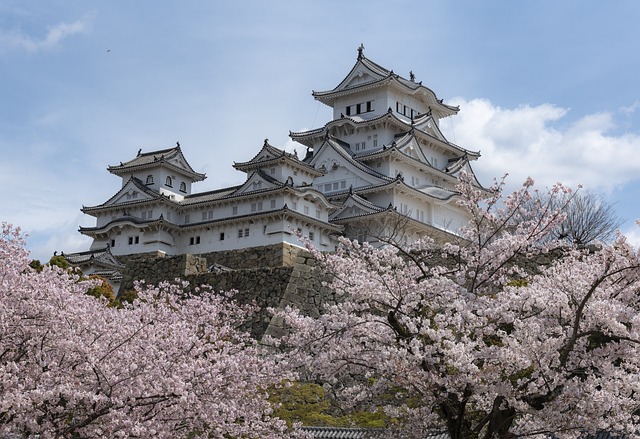
Japan’s history is a profound and complex narrative that spans thousands of years, transitioning from an isolated, feudal society into a modern global powerhouse. For centuries, the nation was governed by a succession of powerful shoguns and a warrior class of elite samurai who enforced a rigid social hierarchy and a policy of national seclusion known as sakoku. This era of isolation preserved a unique cultural identity until the mid-19th century, when the Meiji Restoration dismantled the feudal system to embrace rapid Westernization and industrialization. This radical shift propelled Japan into the role of a major imperial power, eventually leading to its significant involvement in the devastating conflicts of World War II. Following the war, Japan underwent a remarkable "economic miracle," reinventing its shattered infrastructure to become a world leader in automotive manufacturing, electronics, and high-tech innovation. Today, Japan stands as a fascinating synthesis of its ancient imperial traditions and its status as a premier, high-energy democracy, continuing to influence global culture through its unique blend of heritage and modernity.
Important key events in Japan's Hitory
Japan’s history is defined by dramatic shifts between isolation and global engagement. For centuries, the Feudal Era saw powerful Shoguns and elite Samurai warriors rule a rigid social hierarchy. This long period of seclusion ended with the Meiji Restoration in 1868, a pivotal turning point where Japan dismantled its feudal system to embrace rapid Western industrialization and modernization. By the early 20th century, Japan emerged as a major imperial power, leading to its significant and devastating involvement in World War II. Following its 1945 surrender, the nation underwent a "Post-war Economic Miracle," reinventing itself from a shattered landscape into a global leader in technology and automotive manufacturing. Today, Japan’s history is best reflected in its unique ability to preserve ancient imperial traditions while maintaining its status as one of the world's most advanced, high-tech democracies.
- The Feudal Era
- This lengthy historical period was defined by the rule of powerful shoguns and elite samurai warriors who maintained a rigid social hierarchy. The nation remained largely secluded from the rest of the world under a policy known as sakoku to preserve its internal stability. This era established many of the traditional values and cultural identities that still resonate in Japan today.
- The Meiji Restoration
- Occurring in 1868, this pivotal turning point marked the end of military shogunate rule and the return of power to the Emperor. Japan dismantled its centuries-old feudal system to embrace rapid Western industrialization and modern political structures. This transformation allowed the country to quickly emerge as a significant global power on the world stage.
- World War II Involvement
- In the early 20th century, Japan expanded its imperial reach, which eventually led to its significant and devastating involvement in this global conflict. The war resulted in immense national destruction and concluded with the country's formal surrender in 1945. This period serves as a somber reminder of the consequences of aggressive expansionism and military rule.
- The Post-war Economic Miracle
- Following the devastation of the war, Japan underwent a remarkable period of growth and reinvention often referred to as an economic miracle. The nation transitioned from a shattered landscape into a world leader in high-tech electronics and automotive manufacturing. This rapid recovery solidified Japan's position as a dominant force in the modern global economy.
- Modern Cultural Synthesis
- Today, Japan is characterized by its unique ability to blend ancient imperial traditions with its status as an advanced, high-tech democracy. The society balances a deep respect for historical heritage with a constant drive toward future innovation and technological progress. This duality creates a fascinating cultural landscape where old-world customs and futuristic lifestyles exist side by side.